
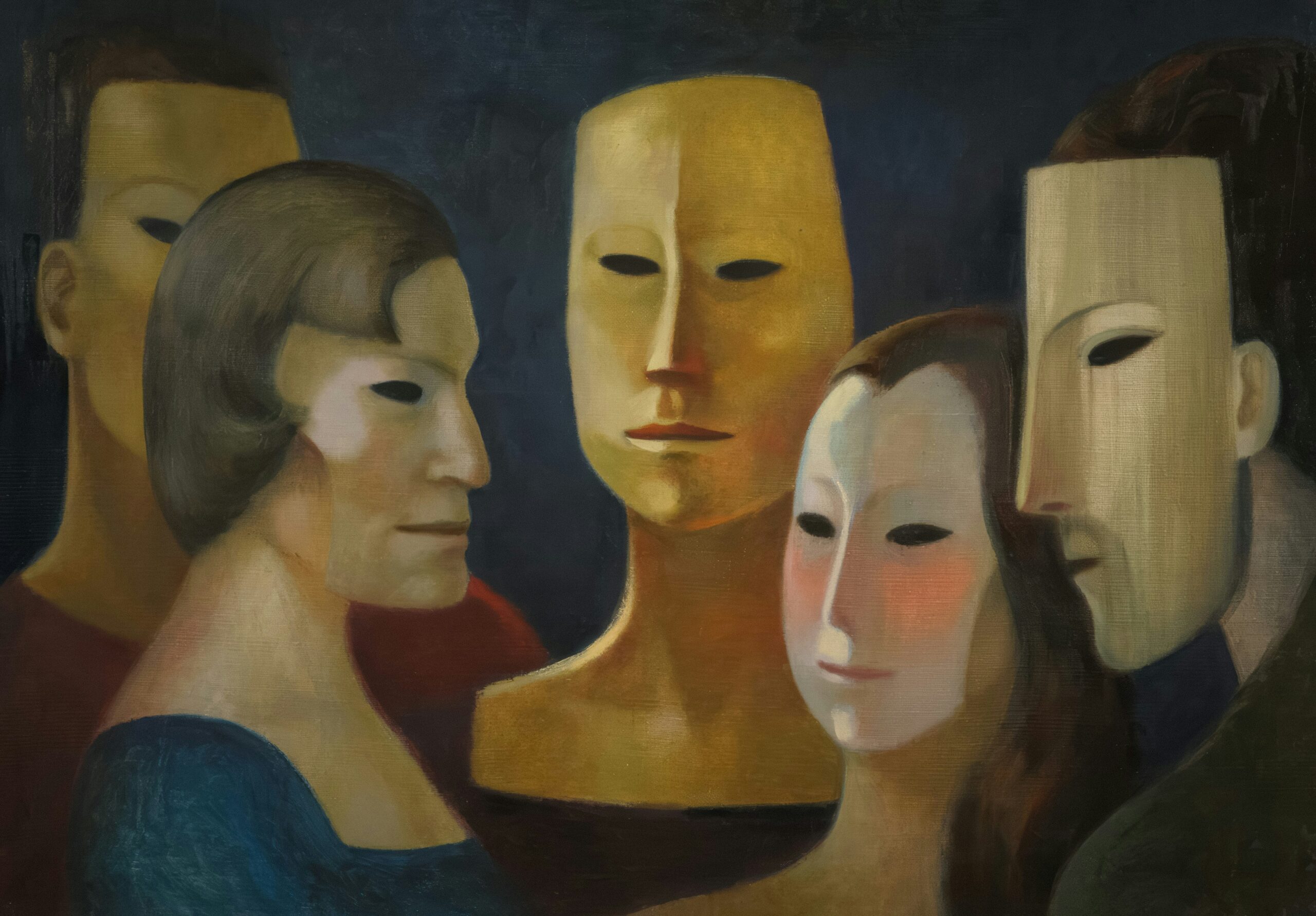
Understanding the Five Elements in Chinese Medicine
In Chinese medicine, the Five Elements represent different qualities and patterns found in nature and the human body. Each element is associated with a season, organ systems, emotions, and physical characteristics.
- Wood: Spring, Liver and Gallbladder, growth and determination.
- Fire: Summer, Heart and Small Intestine, joy and connection.
- Earth: Late summer, Spleen and Stomach, stability and nurturing.
- Metal: Autumn, Lungs and Large Intestine, structure and refinement.
- Water: Winter, Kidneys and Bladder, wisdom and endurance.
According to traditional Chinese face reading, each element is associated with a particular facial shape and set of characteristics. Most people don’t fit neatly into one category and may have features associated with two or more elements.
Let’s look at each face type and see which one resembles yours.
1. Wood Face: The Visionary
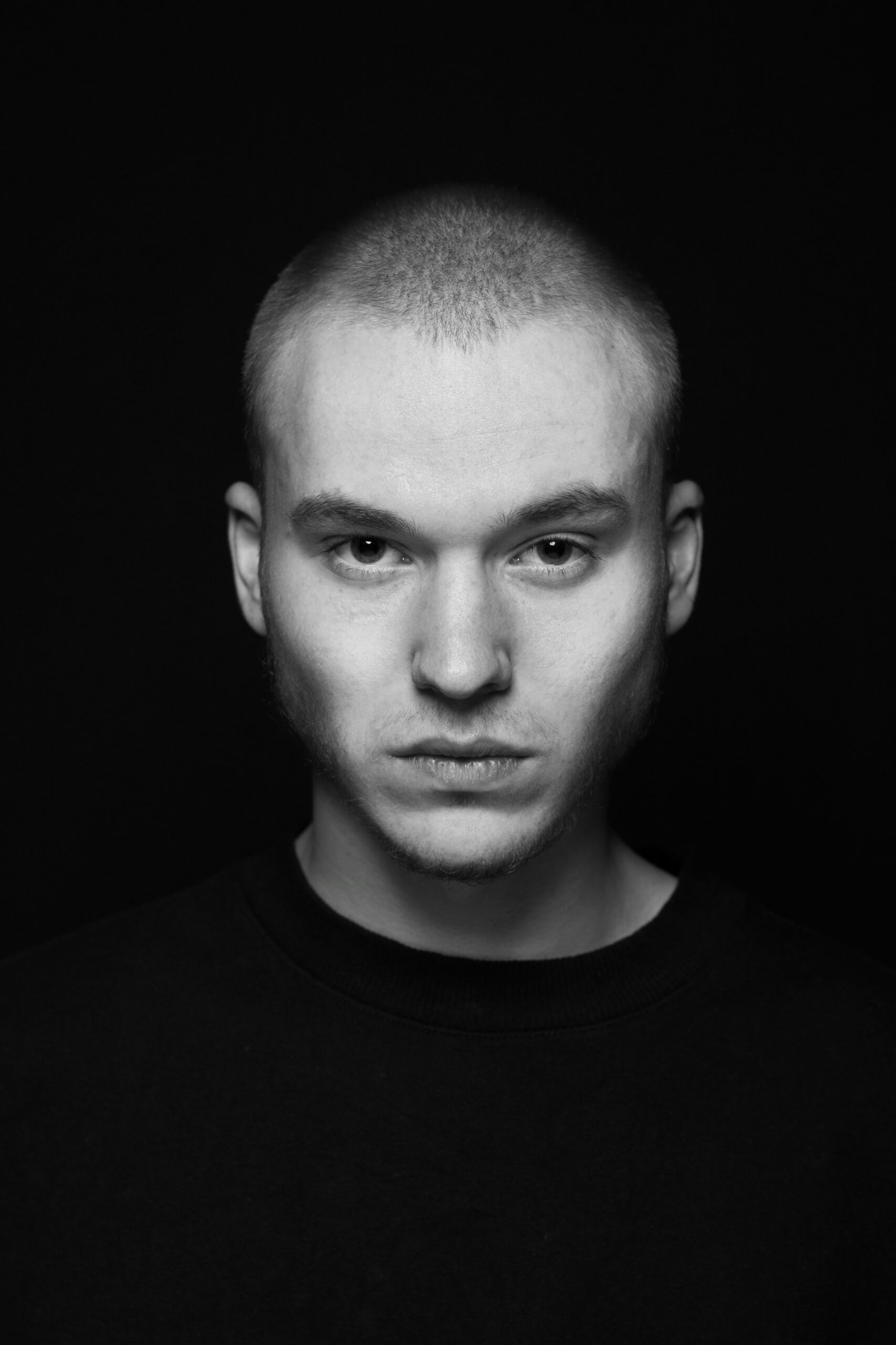
The Wood face is typically long and narrow, with a prominent forehead, elongated nose, and defined cheek bones. The eyebrows, temples, and jawline are particularly important features in traditional Wood face reading.
Wood represents the energy of spring, when plants push upward and outward with tremendous determination. People associated with this element are traditionally described as ambitious, independent, decisive, and driven to accomplish their goals.
A strong Wood personality tends to have a clear vision of what they want and the determination to pursue it. However, when things don’t go according to plan, this same drive can turn into frustration, impatience, or irritability.
Traditional Chinese medicine associations: The Wood element corresponds to the Liver and Gallbladder, the eyes, and the emotion of anger. Traditional practitioners associate Wood imbalances with headaches, muscle and tendon tension, menstrual irregularities, and emotional frustration.
- Concrete tension: Stiff, tight neck and shoulders.
- Jaw clenching: Sore jaw from daytime clenching or nighttime grinding.
- Physical heat: Tension headaches, feeling hot or irritated, and frequent sighing.
2. Fire Face: The Charismatic One

The Fire face often has a pointed chin, a narrower lower face, and delicate or angular features. The eyes may appear particularly bright and expressive, and the person may have curly and/or red hair, freckles and dimples.
Fire is the element of summer, warmth, excitement, and human connection. People with a Fire constitution are traditionally described as enthusiastic, expressive, affectionate, and naturally drawn to social interaction.
They may be the people who light up a room with their laughter and energy. At the same time, their emotional sensitivity can make them prone to feeling overstimulated or restless.
Traditional Chinese medicine associations: Fire corresponds to the Heart and Small Intestine, as well as the Pericardium and Triple Burner systems. It is associated with the tongue, joy, and emotional expression. Traditional Fire imbalances are linked to restlessness, anxiety, insomnia, and excessive emotional excitement.
- A racing mind: An intense, restless mental loop the second your head hits the pillow.
- Cardiovascular tension: Heart palpitations, a fluttering feeling in your chest, or a rapid pulse when trying to rel
- Nighttime heat: Waking up feeling hot, tossing and turning, or experiencing a dry mouth and throat during the night.
3. Earth Face: The Caregiver

The Earth face is traditionally described as square or relatively short and broad, prominent cheeks, and full mouth. The mouth, lower cheeks, and bridge of the nose are especially significant in Earth face reading.
Earth represents nourishment, stability, and the harvest season. People associated with this element are traditionally considered dependable, practical, generous, and naturally concerned with the comfort and happiness of others.
Earth personalities often enjoy taking care of people and creating a welcoming environment. Their challenge may be giving too much of themselves or spending excessive time worrying about others.
Traditional Chinese medicine associations: Earth corresponds to the Spleen and Stomach, the mouth, digestion, and the emotion of worry. Traditional Earth imbalances are associated with digestive complaints, bloating, fluid retention, fatigue, and overthinking.
- Mental looping: A heavy, repetitive cycle of overthinking and worrying that is difficult to turn off.
- Digestive discomfort: Evening bloating, slow digestion, acid reflux, or a heavy feeling in your stomach that builds as stress increases.
- Systemic heaviness: Waking up with intense brain fog, heavy limbs, and a constant daytime craving for sugar or simple carbohydrates for quick energy.
4. Metal Face: The Perfectionist

The Metal face tends to be oval, often with a broad forehead, high cheekbones, a prominent nose, and clearly defined, balanced features. Traditional face reading places particular emphasis on the nose and cheeks when identifying Metal characteristics.
Metal represents autumn, a season of refinement, organization, and letting go of what is no longer needed. People with Metal characteristics are traditionally described as thoughtful, disciplined, principled, and appreciative of beauty, quality, and order.
They often have high standards for themselves and others. Their attention to detail can be an enormous strength, although it may also lead to perfectionism or difficulty accepting things that are less than ideal.
Traditional Chinese medicine associations: Metal corresponds to the Lungs and Large Intestine, the nose, skin, and the emotion of grief. Traditional Metal imbalances are associated with respiratory complaints, skin concerns, difficulty letting go, and excessive rigidity.
- Respiratory restriction: A feeling of tightness or constriction in your chest, shallow breathing, or sighing to catch your breath.
- Physical rigidity: Waking up with a stiff spine, upper back tightness, or holding intense tension in your posture even while resting.
- Skin and mucosal dryness: Dry skin, a dry nose or throat, or a heightened sensitivity to environmental allergens and dust that disrupts sleep.
5. Water Face: The Endurance Master

The Water face is typically round and full, with soft contours, rounded cheeks, and a less angular jawline. The lower face, chin, forehead, and ears are especially important features in traditional Water face reading.
Water represents winter, stillness, depth, and stored potential. People associated with this element are traditionally considered introspective, observant, adaptable, and capable of considerable endurance.
Water personalities may prefer to think carefully before acting. They can be remarkably persistent, with a quiet determination that isn’t always obvious to others. When under pressure, however, they may withdraw or become overly cautious.
Traditional Chinese medicine associations: Water corresponds to the Kidneys and Bladder, the ears, bones, and the emotion of fear. Traditional Water imbalances are associated with fatigue, lower back and knee discomfort, and feelings of insecurity or fearfulness.
- Deep exhaustion: A chronic, heavy fatigue that sleep doesn’t seem to fix, often accompanied by a dull ache or weakness in your lower back and knees.
- Temperature drops: Chronically cold feet and hands in bed, or waking up with a chill that makes it hard to settle back to sleep.
- Adrenal burnout: Feeling completely running on empty during the day, relying on pure grit and willpower to keep moving forward despite the lack of rest.
Can You Have More Than One Face Type?
Absolutely. In fact, according to traditional Chinese face reading, most people are a combination of several elements rather than one pure type.
You might have the elongated facial structure of Wood, the prominent cheekbones of Metal, and the rounded chin of Water. Different features may be interpreted as reflecting different elemental influences.
Ready to Stop Guessing and Finally Sleep Through the Night?
Face reading is only one part of the traditional Chinese medical perspective. Practitioners have also historically observed the complexion, facial expression, skin texture, and appearance of the eyes and lips.
In Chinese medicine, these observations are considered alongside a person’s symptoms, medical history, tongue, and pulse. The idea is to look at the person as a whole rather than treating each symptom in isolation.
From Chinese Face Reading to Facial Rejuvenation Acupuncture
Chinese medicine has a long history of paying attention to the face, not just its shape, but also its complexion, circulation, and the changes that come with age.
Today, facial rejuvenation acupuncture, also known as cosmetic acupuncture, offers a different way to care for the face using acupuncture techniques.
At Luna Body and Mind in Santa Monica, I combine facial acupuncture with full-body acupuncture and red light therapy. The treatments are designed to support skin circulation, improve the appearance of facial tone, and address concerns such as fine lines, puffiness, and facial tension.
Unlike traditional face reading, which interprets facial characteristics, cosmetic acupuncture is a treatment focused on the appearance and condition of the skin.
If you’re interested in a natural approach to facial rejuvenation, you can learn more about my Facial Rejuvenation Acupuncture treatments in Santa Monica.
About the Author
Lola Fox-Rabinovich, L.Ac. is a licensed acupuncturist with over 18 years of clinical experience and the founder of Luna Body and Mind in Santa Monica, California. Her practice specializes in acupuncture for insomnia, chronic and acute pain, neuropathy, and facial rejuvenation.